
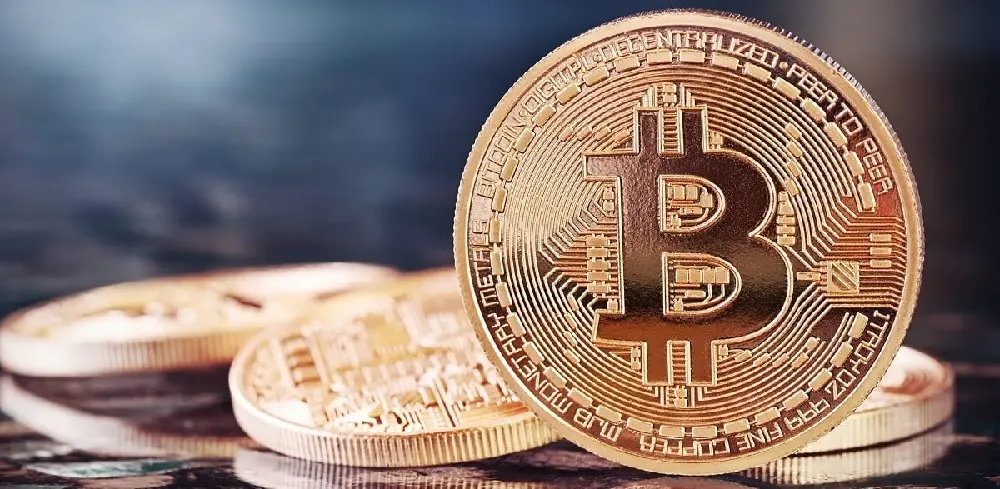
There are many ways to earn Bitcoin, from completing simple online tasks to using professional skills, providing services, earning rewards, or participating in the Bitcoin economy. Some methods require only your time, while others involve money, existing Bitcoin holdings, or greater financial risk.
In this guide, you’ll find 11 ways to earn Bitcoin in 2026, including micro-earning platforms, trading, affiliate programs, freelancing, Bitcoin lending and yield, gaming, rewards, mining, and other methods. For each approach, we explain how it works and what to consider before getting started.
The methods differ significantly in how they work, what they require, and how you receive Bitcoin. Comparing those differences is important when deciding which options are suitable for you.

Why Earning Bitcoin Is a Smarter Start Than Buying It
Buying Bitcoin usually means risking your own money and dealing with price volatility. But when you earn Bitcoin online, you can begin building your crypto balance without any upfront investment. This makes earning a safer and more accessible option, especially for people in lower-income regions or those just getting started.
Earning Bitcoin isn’t just about collecting coins. It’s a way to generate income, gain hands-on experience with crypto tools, and join a financial network that works across borders.
Whether you’re curious about crypto or ready to grow your income stream, earning Bitcoin is a practical first step. No wallet funds or exchange accounts required.
Best Ways to Earn Bitcoin in 2026
1. Micro Earnings
Micro-earning platforms let you earn small amounts of Bitcoin by completing simple online activities. Depending on the platform, you might earn from viewing ads, completing offers, answering surveys, solving CAPTCHAs, or testing apps.
Faucets, PTC sites, and GPT platforms use different reward models. Some pay for a simple claim or ad view, while others reward completed tasks after an advertiser or offer provider confirms the required action. Rewards may be credited in Bitcoin or satoshis, or first added to an internal points or balance system.
Payout conditions also vary. Some platforms let you withdraw directly to a Bitcoin wallet, while others use a micro-wallet to collect small rewards before you make an external withdrawal. Minimum payouts, fees, and available payment methods depend on the individual platform.
For more details on earning Bitcoin through faucets, PTC, and GPT platforms:
2. Bitcoin Trading
Bitcoin trading involves buying and selling BTC in an attempt to profit from price movements. It offers the potential for gains over shorter periods, but losses can also occur quickly because Bitcoin prices are highly volatile.
Unlike micro-earning methods, trading requires capital to speculate on Bitcoin price movements. Depending on the trading approach, you may buy and sell the underlying asset or use a financial product that tracks its price without giving you ownership of Bitcoin.
Two common approaches are:
Spot trading: This involves buying Bitcoin directly and later selling it at a different price. You hold the underlying BTC, although the exact custody arrangement depends on where you trade and how you store your coins.
CFD trading: CFDs allow you to speculate on Bitcoin’s price without owning the underlying asset. You can take a long position if you expect the price to rise or a short position if you expect it to fall. CFDs may also use leverage, which can increase both potential gains and losses.
Bitcoin Trading Risks and Considerations:
- Bitcoin prices can move sharply over short periods, resulting in significant gains or losses.
- Trading without a defined strategy and risk management can increase the chance of substantial losses.
- CFD trading and other leveraged products can magnify losses quickly.
- Never trade with money you cannot afford to lose.
Beginners can first practise with a demo account, where available, or start with an amount they can afford to lose while learning how the market and trading tools work.
3. Bitcoin Affiliate Programs
Affiliate programs let you earn Bitcoin or other cryptocurrency by referring people to crypto services through a unique referral link. You may receive a commission when someone you referred completes a qualifying action, such as opening an account, making a purchase, trading, or using a particular service. The action that generates a commission depends on the individual program.
A referral link by itself does not usually generate income. The person you refer normally has to become a customer and complete the activity required by the program. This makes the quality of your audience important: a smaller audience that is genuinely interested in cryptocurrency can be more useful than a large number of visitors who never become customers.
Commission structures also vary. Some programs pay a fixed amount for a qualifying referral, while others share part of the revenue or trading fees generated by referred customers. Payment may be made in Bitcoin, another cryptocurrency, or fiat currency, depending on the program. Some programs also limit the period during which a referral can generate commissions.
Affiliate marketing works particularly well for websites, YouTube channels, newsletters, comparison sites, and other content platforms that already attract people researching crypto products or services. You can include referral links in relevant reviews, tutorials, comparisons, or other useful content instead of relying on a separate promotional page.
Before joining a Bitcoin affiliate program, check how referrals are tracked, which actions generate commissions, how long commissions remain eligible, how and when payments are made, and whether there are restrictions on advertising or using referral links. Program terms can also vary by country and may change over time.
The potential income therefore depends on both the program and the audience you can reach. A high advertised commission does not guarantee high earnings if the promoted service is not relevant to your visitors or few referrals complete the required action.
4. Bitcoin Freelancing
Bitcoin freelancing means providing a service to a client and receiving payment in Bitcoin. Common freelance work includes writing, programming, graphic design, translation, marketing, video editing, and other digital services that can be delivered online. The client does not need to operate in the cryptocurrency industry; both sides simply agree to use Bitcoin as the payment method.
The basic process is similar to other freelance work. You agree on the project scope, price, deadline, revisions, and payment terms before starting. The main difference is how the final payment is transferred. A client can send BTC directly to your wallet, or you can use a payment or freelance platform that handles invoicing, payment processing, or escrow.
Payment in BTC requires some additional planning. If you agree on a fixed amount of Bitcoin, its value in euros or dollars can change significantly before the payment is made. Another option is to set the price in fiat currency and calculate the BTC amount at an agreed exchange rate when the client pays. This can make the value of the freelance fee easier to manage.
The payment network also matters. An on-chain Bitcoin transaction requires a network fee and may need confirmation before the payment is considered settled. Lightning can be used for faster Bitcoin payments when both the client and freelancer have access to compatible wallets or services. Tools such as BTCPay Server also allow freelancers to create payment requests that can be shared with clients.
For larger projects, milestone payments can reduce the amount of work completed before receiving payment. A freelance platform may hold funds in escrow and release them when an agreed milestone is completed. If you work directly with a client, you can use the same principle by dividing a larger project into clearly defined stages and agreeing on payment for each stage.
You can also use payment services that handle invoicing and conversion between Bitcoin and traditional currencies. For example, Bitwage currently supports freelancers receiving payments in Bitcoin, other cryptocurrencies, stablecoins, or local currency, depending on the setup.
When accepting a Bitcoin freelance job, agree on the currency used to set the price, the payment amount, the payment network, and when payment is due. For larger projects, defining milestones before work begins can also reduce misunderstandings about what has been delivered and when payment should be released.
Bitcoin freelancing can turn an existing professional skill into a source of BTC income without requiring you to trade or mine Bitcoin. However, receiving payment in Bitcoin also exposes you to Bitcoin’s price movements unless you convert the payment or agree on the price in another currency.
5. Bitcoin Casinos and Betting
Bitcoin casinos and betting platforms let users use cryptocurrency for casino games, sports betting, and other forms of online wagering. Depending on the platform, users may also find bonuses, cashback, loyalty programs, tournaments, or other promotional offers.
Casino platforms can include slots, table games, live casino, poker, dice, and other formats. Sportsbooks cover betting on sports and other events. Some crypto casinos also offer provably fair games, where cryptographic data can be used to verify how a supported game result was generated. This provides a way to check the result after the game, although it does not change the mathematical odds or give the player an advantage.
Bitcoin can be used for deposits and withdrawals on platforms that support cryptocurrency payments. The exact payment options, supported networks, minimum amounts, fees, and withdrawal conditions vary between services. Some platforms also support several cryptocurrencies alongside Bitcoin.
Promotions can form part of the overall offer. Depending on the platform, you may find deposit bonuses, reload offers, cashback, free bets, tournaments, or loyalty rewards. These offers can have wagering requirements, eligibility rules, expiry dates, or other conditions, so the headline bonus amount does not tell you the full value of an offer.
Stake.com is one example of a crypto gaming platform that combines casino games, sports betting, cryptocurrency payments, promotions, and a VIP rewards program. Stake also offers provably fair verification for its supported Originals games, allowing players to check the cryptographic inputs used to generate individual results. For a closer look at the platform, see our detailed Stake.com review.
The legal position also depends on where you live. Online gambling rules differ between countries, and a platform being accessible from a particular location does not necessarily mean that it is licensed or permitted there. The European Commission notes that EU countries have their own national frameworks for online gambling.
Casino and betting activities involve the possibility of losing money and should not be treated as guaranteed Bitcoin income. Before using a platform, check whether online gambling is permitted in your jurisdiction, the applicable terms, and the rules for deposits, withdrawals, bonuses, and responsible gambling.
6. Bitcoin Lending and Yield
Bitcoin holders can earn a return on their BTC through lending and other yield-generating products instead of relying only on changes in the Bitcoin price. The source of the return varies between products. It can come from lending activity, trading strategies, option premiums, liquidity provision, or rewards generated by an underlying protocol.
In a Bitcoin lending arrangement, you provide BTC to a platform that lends the funds to borrowers. The interest paid by borrowers can then form the basis of the return to the person supplying the Bitcoin. Rates may be fixed or variable, and the terms can include minimum deposits, withdrawal restrictions, or other conditions.
Centralized platforms offer another route. Binance Earn currently offers BTC-related products through its Earn platform, including Flexible and other BTC products. Its available products, rates, terms, and eligibility requirements can change and may also vary by region. Some products use mechanisms that differ substantially from traditional Bitcoin lending, so it is important to understand how the specific product generates its return.
DeFi provides a different model again. Native BTC does not run on a smart-contract platform such as Ethereum, so DeFi applications generally use tokenized versions of Bitcoin, including WBTC and cbBTC. These assets can be supplied to lending protocols such as Aave, where suppliers can earn interest from borrowers. Current Aave markets include both WBTC and cbBTC, with supply rates changing according to market conditions.
The term Bitcoin staking needs some care. Bitcoin uses Proof of Work and does not have native staking rewards. When a service describes a product as staking BTC, the return comes from another system or strategy rather than from staking Bitcoin on the Bitcoin network itself.
The risks also differ depending on the structure. A centralized service introduces counterparty risk, while DeFi can involve smart-contract, token, liquidity, and liquidation risks. Some products also restrict withdrawals or use variable rates, so a displayed yield should not be treated as a guaranteed return.
Before depositing BTC into a yield product, find out where the return comes from, who controls the assets, how withdrawals work, what fees apply, and what could happen if the platform, borrower, or underlying protocol fails. A higher advertised yield can reflect additional risk rather than simply a better opportunity.
Bitcoin lending and yield can therefore generate additional BTC returns, but the mechanism matters. Understanding how the yield is produced is more useful than comparing headline rates alone.
7. Play-to-Earn Crypto Games
Play-to-earn (P2E) crypto games combine gameplay with blockchain-based rewards. Depending on the game, players may earn tokens, NFTs, digital items, or cryptocurrency by completing quests, winning matches, reaching milestones, or taking part in other activities.
The earning model can differ substantially between games. Some use their own tokens or tradable assets, while others distribute cryptocurrency or rewards that can later be exchanged for crypto. The value of what you receive therefore depends on the game’s reward system, the assets involved, and the available ways to use or trade them.
RollerCoin takes a mining-simulation approach. Players build virtual Mining Power through mini-games, virtual miners, upgrades, events, and other activities. That Mining Power determines the player’s share of the available reward pool. The game simulates cryptocurrency mining rather than using the player’s computer or phone to perform actual Bitcoin mining. Rewards are credited to the in-game wallet and can be withdrawn to a personal crypto wallet.
Splinterlands combines strategic card battles with blockchain-based assets and rewards. Players can earn rewards through ranked gameplay, including SPS and Glint under the current reward system. The amount a player can earn depends on the game format and applicable reward rules, and some rewards require a Spellbook or other conditions. Cards and other in-game assets can also be traded within the ecosystem.
The Sandbox takes a more creator-focused approach. Users can create voxel-based Assets, build games and experiences, and use LAND within the virtual world. Assets and Games can be offered through The Sandbox marketplace under its current rules, creating opportunities for creators to earn from what they build rather than simply receiving a fixed reward for playing.
The cost of participation also varies. Some games can be started without purchasing assets, while others may involve NFTs, cards, characters, virtual land, or other purchases. Marketplace fees, transaction costs, asset prices, and changes in token value can affect the actual value of any rewards.
For this reason, P2E games should not be viewed simply as a way to generate predictable Bitcoin income. Before spending money or significant time, check what you actually earn, how the reward can be used or withdrawn, what fees apply, and whether the game’s assets have an active market.
Play-to-earn games can provide another way to earn cryptocurrency through gameplay, but the economics are different from traditional employment or straightforward reward platforms. The game itself, its reward system, and the market for its digital assets all influence what your time and any money spent can ultimately produce.
8. Crypto Airdrops and Bitcoin Forks
Crypto airdrops are a way for blockchain projects to distribute free tokens or coins to users. A project may use an airdrop to reward existing users, distribute tokens during a launch, or encourage activity within its ecosystem. The eligibility rules vary between projects.
Airdrops usually do not pay Bitcoin directly. Most distribute a project’s own token, which may later be exchanged for Bitcoin or another cryptocurrency if the token has an active market. Some airdrops are connected to Bitcoin-based projects or ecosystems, but they should not be treated as a regular source of BTC income.
An airdrop can use different eligibility models. A project may take a blockchain snapshot of eligible wallets at a particular time, reward users who previously interacted with its application, or require participants to complete specified activities before a deadline. Some distributions are automatic, while others require users to claim the tokens through an official website or application.
The value of an airdrop depends on what happens after the tokens are distributed. A token may have limited liquidity, fall sharply in value, or never develop an active market. Receiving a large number of tokens therefore does not necessarily mean receiving something with significant or lasting value.
Bitcoin forks work differently. A hard fork creates a separate blockchain based on Bitcoin’s code but changes some of its rules. When a fork creates a new cryptocurrency, Bitcoin holders may become eligible for coins on the new chain based on their holdings at a particular point in time. The exact rules depend on the fork.
Control of the private keys can matter when claiming forked coins. If your Bitcoin was held on an exchange at the time of a fork, the exchange decides whether it will support the new chain and credit the resulting coins. Exchanges do not automatically support every fork or airdrop.
Security is particularly important with free-token offers. Never share your seed phrase or private key to claim an airdrop. Fake claim websites can ask you to connect a wallet or approve a malicious transaction, potentially giving an attacker access to assets in that wallet. Unexpected tokens or messages containing claim links should be treated with caution, and the project and URL should be verified through its official channels before you interact with them.
Airdrops and Bitcoin forks can therefore provide an opportunity to receive cryptocurrency without buying the distributed asset directly. However, eligibility, support, liquidity, and eventual value vary widely. They are better viewed as occasional crypto rewards than as a predictable way to earn Bitcoin.
9. Accept Bitcoin Payments for Products or Services
If you sell products or provide services, you can earn Bitcoin by accepting BTC from customers. This can work for online stores, digital businesses, creators, consultants, and other merchants that want to offer Bitcoin as a payment option.
You can receive payments directly to a Bitcoin wallet or use payment software that creates invoices and tracks incoming transactions. BTCPay Server is one example of a self-hosted payment processor that supports both on-chain Bitcoin and Lightning payments. It can also be connected to an online store or used to create individual payment requests and invoices.
The choice between on-chain Bitcoin and Lightning depends on the type of payment. On-chain transactions are recorded directly on the Bitcoin blockchain and can be suitable for larger payments. Lightning is designed for fast, low-cost Bitcoin payments and can be useful for smaller or frequent purchases. If you operate your own Lightning node, you also need sufficient inbound liquidity to receive payments.
The payment setup also affects how much technical work you need to handle. A self-hosted system gives you direct control over the payment infrastructure and wallet, but you are responsible for maintaining the server, backups, and, when using Lightning, channel and liquidity management. Hosted or custodial services can reduce the technical workload, but they introduce dependence on the service provider and may have their own fees or restrictions.
After a customer pays, you can keep the Bitcoin, convert it to fiat, or use a payment service that handles conversion. You can also set prices in euros, dollars, or another currency and calculate the BTC amount when the customer pays. This can reduce the effect of Bitcoin price movements on the value of the sale.
Payment confirmation also depends on the network used. An on-chain payment may remain pending until it receives the number of confirmations required by your payment policy, while a Lightning payment can settle without waiting for an on-chain confirmation. For this reason, merchants should use the payment processor’s invoice status rather than treating a merely broadcast transaction as a completed payment.
The costs and responsibilities depend on the setup. A self-hosted solution may avoid a third-party payment processor fee, but it requires more technical management. A hosted service can be easier to operate but may charge processing or conversion fees. You should also keep appropriate records of Bitcoin payments and follow the tax and accounting rules that apply to your business and country.
Accepting Bitcoin is therefore a direct way to earn BTC from products or services you already sell. Unlike faucets, tasks, or games, the income comes from customers paying for products or services.
10. Bitcoin Mining
Bitcoin mining is the process used to add new blocks to the Bitcoin blockchain and secure the network through Proof of Work. Miners use specialized hardware to perform large numbers of SHA-256 calculations and compete to find a valid block. The miner that finds a valid block can receive the block subsidy and the transaction fees included in that block.
Modern Bitcoin mining requires specialized ASIC miners. An ASIC is designed specifically for Bitcoin’s SHA-256 calculations and is far more suitable for mining than a normal computer or graphics card. The ASIC performs the hashing work, while Bitcoin nodes independently validate transactions and blocks.
How Bitcoin Mining Works
A mining setup starts with a block template containing transactions that can be included in a new Bitcoin block. The mining hardware repeatedly changes values in the block header and calculates hashes until it finds one that satisfies the current Proof of Work target.
Bitcoin adjusts its mining difficulty every 2,016 blocks. The adjustment is designed to keep the average time between blocks close to 10 minutes even when the total amount of computing power on the network changes.
For an individual miner, adding more computing power increases the miner’s share of the network’s total hash rate. It does not guarantee a fixed amount of Bitcoin, however. If other miners add more computing power, the individual’s share can become smaller, and the difficulty can adjust accordingly.
Bitcoin Mining Pools
Finding a Bitcoin block independently is highly unpredictable for a small miner. Most individual miners therefore connect their ASICs to a mining pool, where many miners combine their computing power.
The pool coordinates the mining work and distributes rewards according to the work contributed. Instead of waiting for the miner’s own hardware to find an entire block, the miner receives smaller payments based on its contribution to the pool. Pool fees and payout rules vary between services.
A mining pool does not eliminate competition or make the underlying mining process more profitable by itself. Its main advantage for a small miner is more predictable payouts compared with the highly irregular income of solo mining.
What Determines Bitcoin Mining Profitability?
Mining revenue changes over time because several factors affect the value of the computing power being operated. These include the Bitcoin price, network difficulty, transaction fees, block subsidy, ASIC efficiency, and the amount of hash rate under your control.
Electricity cost is one of the most important variables. Two ASICs can produce similar amounts of hash rate while consuming different amounts of electricity. This is why mining hardware is often compared by its energy efficiency, commonly expressed in joules per terahash (J/TH).
The purchase price of the hardware also matters. A newer and more efficient ASIC may use less electricity, but its higher purchase price can change how long it takes to recover the initial investment. Other costs can include pool fees, cooling, maintenance, hosting, electrical infrastructure, and periods when the equipment is unavailable.
A profitability estimate should therefore be treated as a calculation based on current conditions rather than a guaranteed future return. A machine that is profitable at one Bitcoin price and difficulty level can become unprofitable if market or network conditions change.
Bitcoin Halving and Miner Revenue
Bitcoin’s halving schedule also affects mining economics. The current block subsidy is 3.125 BTC, following the April 2024 halving. The subsidy is reduced by half every 210,000 blocks, with the next halving expected around 2028.
The subsidy is only part of the miner’s potential block reward. Miners can also receive transaction fees from the transactions included in the block. Fee revenue varies according to network activity, so it can be significantly different from one period to another.
As the block subsidy decreases over time, transaction fees become a more important component of the overall mining revenue. This does not mean that fees will automatically compensate for each subsidy reduction; their value depends on actual demand for block space.
Costs of Bitcoin Mining
Bitcoin mining requires more than purchasing an ASIC. The equipment consumes electricity continuously while operating and produces substantial heat and noise. Depending on the installation, additional ventilation, cooling, electrical capacity, networking equipment, and suitable space may be necessary.
The economics can be very different for a home miner and a larger operation with access to lower-cost electricity or professional hosting. Residential electricity rates can make mining difficult to justify, while commercial operations may have additional infrastructure and hosting expenses.
Before buying mining equipment, calculate the expected revenue from its hash rate and compare it with electricity and other operating costs. It is also useful to test several Bitcoin price and network difficulty scenarios rather than relying on a single profitability figure.
Bitcoin mining can generate BTC while contributing computing power to the network, but it is a competitive and capital-intensive activity. The important question is whether the Bitcoin generated by the equipment can cover its full operating and ownership costs under the conditions in which you plan to mine.
11. Bitcoin Cashback and Shopping Rewards
Bitcoin cashback lets you earn small amounts of BTC when you buy products or services through a participating retailer or cashback platform. Instead of receiving the reward as an immediate discount, you receive part of the purchase value back as Bitcoin after the transaction has been tracked and confirmed.
The usual process is simple. You first activate a cashback offer through the service’s website, app, or browser extension and then complete your purchase through the participating merchant. The cashback platform receives a commission from the merchant or its affiliate network and shares part of that commission with you as a reward.
The reward is not always available immediately. A purchase may first appear as pending while the merchant confirms that the order was completed and has not been returned or cancelled. Some services also wait until the retailer’s return period has passed. With Lolli, for example, rewards can take up to 90 days to become available, depending on the merchant.
Cashback rates vary between merchants and can change over time. A higher percentage does not automatically make an offer better. The actual value of the deal depends on the total purchase cost, including the product price, shipping, discounts, and the Bitcoin reward you receive.
Purchase conditions can also affect whether you receive the reward. Returns and cancellations may invalidate cashback, while some merchants exclude gift cards, particular products, or other types of transactions. Using an unauthorized coupon code or another cashback extension can also interfere with tracking on some services.
Bitcoin cashback is different from earning Bitcoin through faucets, tasks, or games because you generally need to make a purchase first. The reward is therefore linked to money you were already planning to spend. Buying something you do not need simply to receive cashback can leave you spending far more than the Bitcoin reward is worth.
Another point to check is country availability. Cashback platforms do not necessarily support the same merchants or users in every country, and the available Bitcoin withdrawal options can also differ. Before using a service, check whether it operates in your country and whether the reward can be transferred to your own Bitcoin wallet.
Cashback can be a practical way to accumulate small amounts of BTC from regular online shopping, particularly when you were going to make the purchase anyway. However, it is better viewed as a shopping reward rather than a separate income source. Compare the final price, cashback rate, purchase conditions, and withdrawal terms before deciding which offer is actually worthwhile.
Conclusion
There are many ways to earn Bitcoin, but they differ significantly in how they work and what they require. Micro-earning platforms can generate small BTC rewards from online tasks, while freelancing and accepting Bitcoin payments let you earn from existing skills or business activity. Trading, lending and yield, and mining require a different level of capital, knowledge, or infrastructure.
Other methods sit between these extremes. Affiliate programs and P2E games depend on the activity you generate, while airdrops, forks, and shopping rewards can provide Bitcoin or other crypto rewards under specific conditions.
The most useful comparison is therefore not simply how much Bitcoin a method can potentially generate. Consider the time required, whether you need to spend or invest money, how rewards are calculated, and how you can receive or withdraw the Bitcoin.